
Essential Tips for Safe Driving on the Road
Safe driving is not just a skill; it’s a responsibility.
Every time you get behind the wheel, your choices impact not only your life but also the lives of passengers, other drivers, cyclists, and pedestrians. Mastering safe driving techniques is the single most effective way to prevent accidents and ensure everyone reaches their destination without harm. This comprehensive guide will walk you through the essential, practical tips for safe driving that go beyond just knowing the rules of the road. We will cover everything from preparing your car and mind to handling tough situations. Let’s make safe driving a habit.
1. Before You Even Start: The Foundation of Safe Driving
Safe driving begins before you turn the key. A few simple checks can prevent major problems.
Check Your Vehicle Regularly. Make this a weekly habit. Look at your tire pressure and tread. Bald tires are dangerous, especially in wet weather. Check your fluid levels: oil, coolant, and brake fluid. Ensure all your lights work – headlights, brake lights, turn signals, and hazard lights.
Adjust Everything for You. Once inside, take a moment. Adjust your seat so you can reach the pedals comfortably and see the road clearly. Your mirrors should be set to minimize blind spots. The headrest should support the middle of your head. Now, buckle up. This is the most basic safe driving rule for you and all passengers.
Prepare Your Mind. Are you tired, upset, or distracted? Your mental state matters. Safe driving requires focus. If you’re overly emotional or drowsy, consider delaying your trip. A clear mind is a key part of defensive driving.
2. Your Greatest Weapon: Focus and Attention
Distraction is a leading cause of accidents. Safe driving means your eyes and mind are on the road.
Put the Phone Away. This cannot be stressed enough. Use “Do Not Disturb While Driving” mode or put your phone in the glove compartment. Texting, calling, or even browsing at a stoplight takes your focus away.
Secure Loose Items. A water bottle rolling under the brake pedal can cause a crash. Secure all cargo in the trunk or with straps.
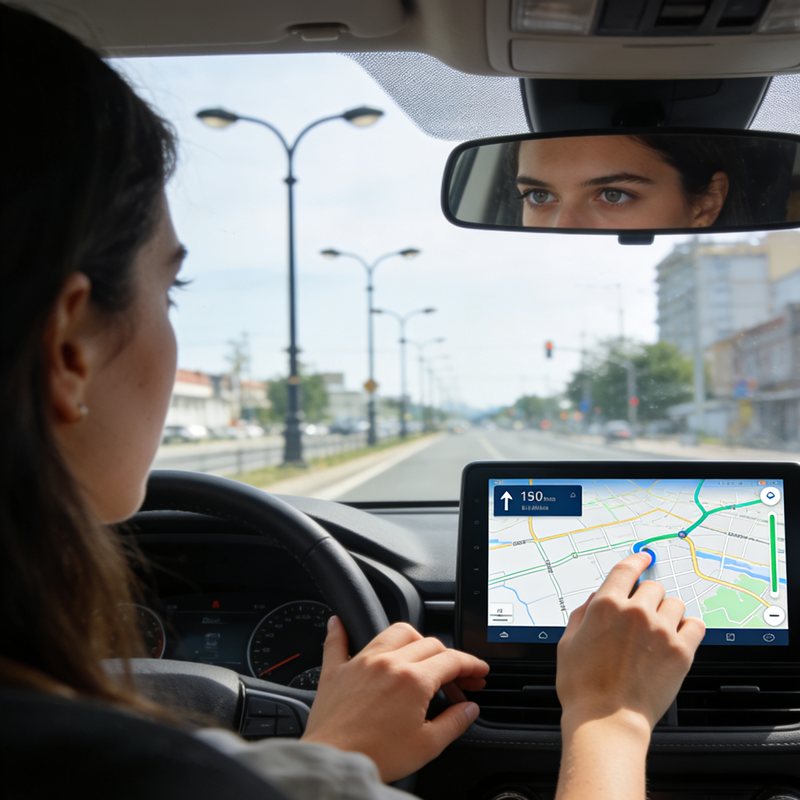
Pre-set Your Music and Navigation. Set your GPS destination and playlist before you drive. Fiddling with the screen is a form of distracted driving.
Keep Conversations Calm. Loud or emotional conversations with passengers can be distracting. Politely ask to keep talk low-key during complex traffic situations.
3. The Art of Space and Speed Management
Controlling your speed and the space around your car gives you time to react. This is core to defensive driving.
Follow the 3-Second Rule. Pick a fixed point the car ahead passes. It should take you at least 3 seconds to reach that same point. In bad weather, make it 4 or 5 seconds. This cushion is vital for safe driving.
Don’t Tailgate. It’s aggressive and dangerous. If the car in front stops suddenly, you have no chance. Back off.
Obey Speed Limits, But Match Conditions. Speed limits are for ideal conditions. Rain, fog, or darkness mean you should go slower. Safe driving is about arriving, not arriving fast.
Use Your Signals Early. Always signal your intentions well before you turn or change lanes. It communicates with others and prevents surprises.
4. Sharing the Road: Awareness of Others
You are not alone on the road. Safe driving involves anticipating what others might do.
Watch for Vulnerable Users. Actively look for motorcycles, bicycles, and pedestrians. Check your blind spots every single time. Assume they might not see you.
Be Cautious at Intersections. This is where many collisions happen. Look left, right, and left again before proceeding on a green light. Be wary of drivers running red lights.
Handle Aggressive Drivers Calmly. If someone is tailgating or cutting you off, don’t engage. Slow down slightly and let them pass. Your goal is safe driving, not winning an argument.
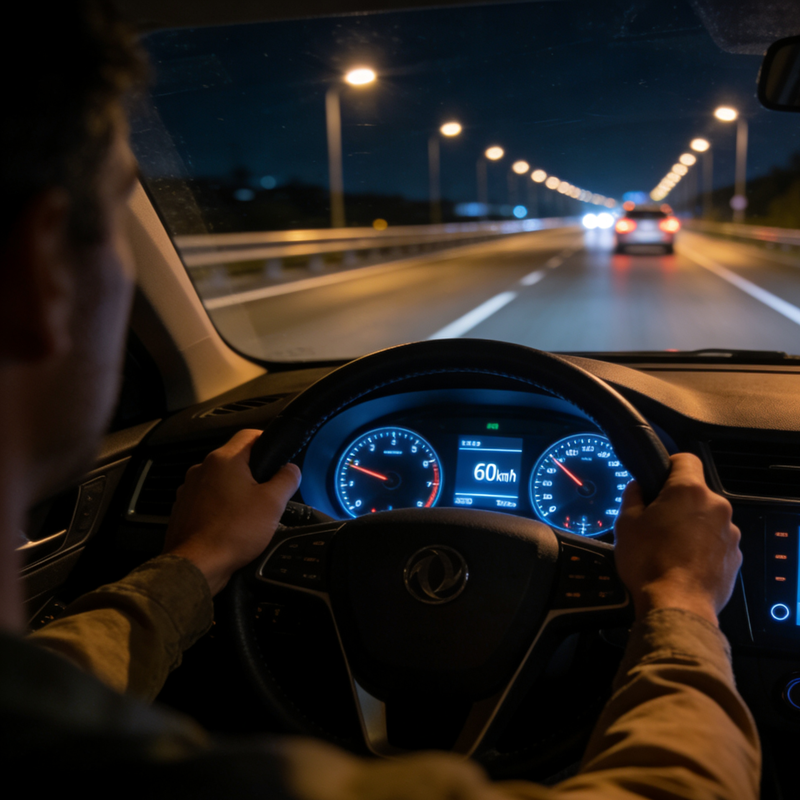
5. Conquering Bad Weather and Night Driving
Poor conditions demand extra caution. Adjust your safe driving habits immediately.
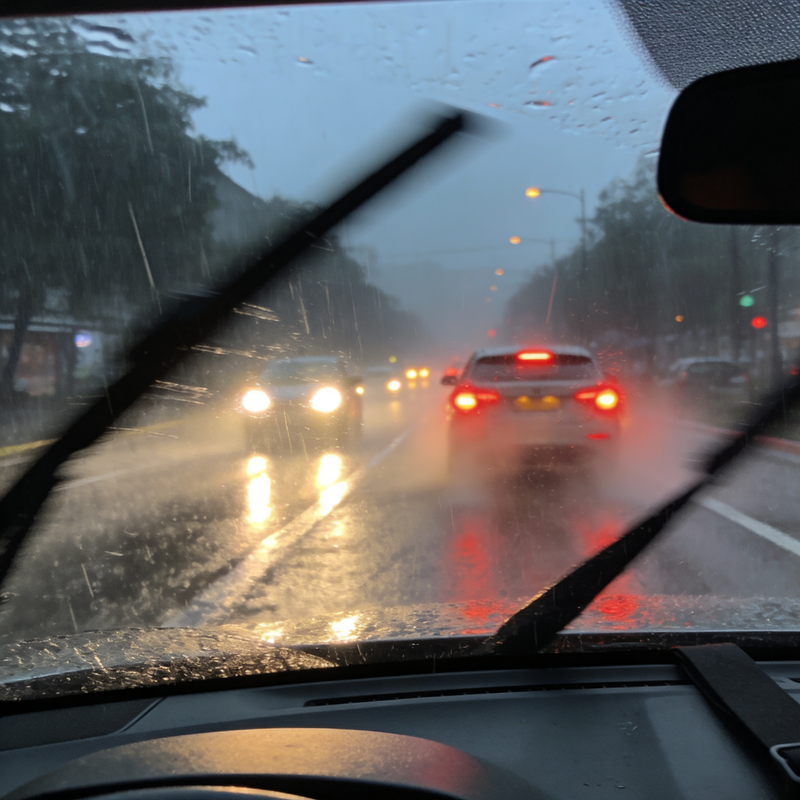
Slow Down and Increase Following Distance. This is the golden rule for rain, snow, and fog. Your tires have less grip. You need more space to stop.
Use Your Headlights Properly. Turn them on in rain, fog, or at dusk. It helps you see and be seen. In heavy fog, use low beams; high beams will reflect back and blind you.
Avoid Sudden Moves. Smooth steering, gentle braking, and gradual acceleration are key. Sudden actions can cause skids on slippery roads.
If Visibility is Near Zero, Pull Over. If you can’t see the road edges, find a safe place (like a rest stop) to park until conditions improve. Use your hazard lights.
6. Defensive Driving: The Proactive Mindset
Defensive driving is the highest form of safe driving. It means expecting the unexpected.
Scan Ahead, Not Just the Car in Front. Look 10-15 seconds down the road for brake lights, debris, or kids playing near the street.
Have an Escape Plan. Always know where you could go if the car in front stops suddenly. Is there an open lane? A shoulder? Thinking ahead is crucial.
Never Assume Others See You or Will Follow the Rules. Make eye contact with pedestrians at crosswalks. Don’t assume a car will stop at a stop sign. Be prepared.
7. The Dangers of Impaired and Drowsy Driving
This is non-negotiable for safe driving.
Never Drive Under the Influence. Alcohol, drugs, and some medications severely impair judgment and reaction time. Use a rideshare service or designate a driver.
Drowsy Driving is Like Drunk Driving. If you’re yawning, drifting lanes, or can’t remember the last few miles, you are a danger. Pull over for a nap or find a place to sleep. Caffeine is not a long-term fix.
Conclusion: Safe Driving is a Lifelong Journey
Safe driving is a commitment you renew every trip. It combines preparation, sharp focus, smart speed control, respect for others, and a proactive mind. By making these tips second nature, you protect what matters most. Remember, the goal of true road safety is simple: everyone gets home safely. Start your journey to better safe driving habits today.
Going the Extra Mile for Safety: Seeing the Unseeable
Even with perfect safe driving habits, some dangers are hard to see. Night driving, fog, sudden animal crossings, or a pedestrian in dark clothing can challenge even the most alert driver. This is where advanced technology can act as a second pair of super-powered eyes, enhancing your defensive driving capabilities.
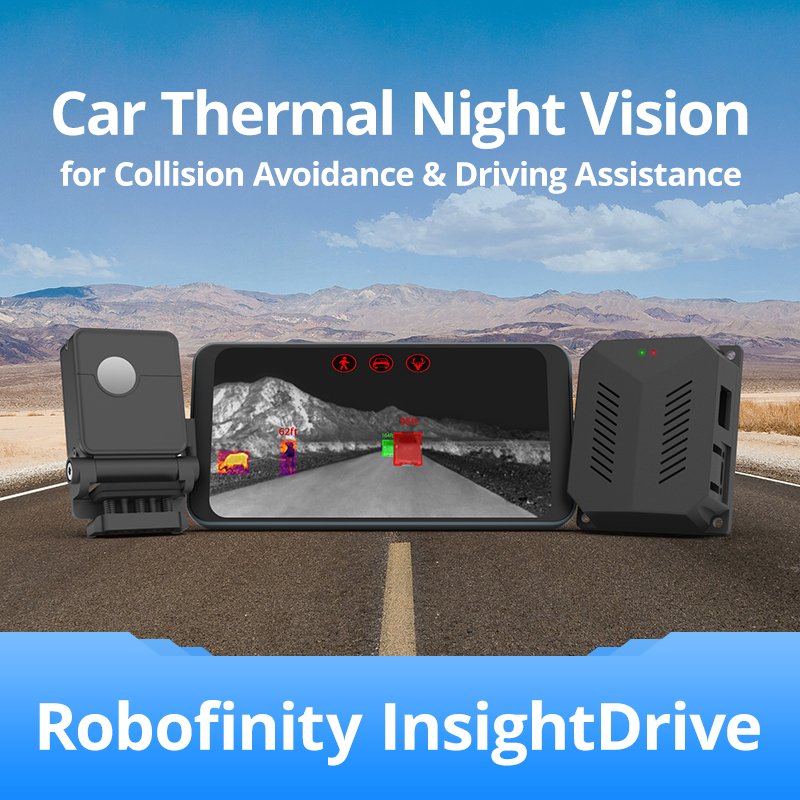
Think about a device that doesn’t just see light, but sees heat. A thermal imaging car camera, like the one developed by Robofinity, offers a remarkable safety upgrade. Unlike regular cameras that struggle in darkness, rain, or snow, thermal vision works by detecting the heat signatures of objects. This means it can “see” a person, an animal, or another vehicle through complete darkness, light fog, and even light rain or snowfall, often identifying potential hazards up to 200 meters away.
The Robofinity car thermal night vision goes further by incorporating AI smart recognition. It doesn’t just show a heat image; it actively identifies and alerts you to the type of hazard—be it a person, a car, or an animal—and provides a pre-collision warning, giving you those extra critical seconds to react. Its simple and quick installation makes it an accessible tool for any driver serious about safe driving. By revealing hidden obstacles that headlights miss, this technology provides an unparalleled layer of proactive protection, directly contributing to preventing accidents and elevating your overall driving safety performance to the next level.